
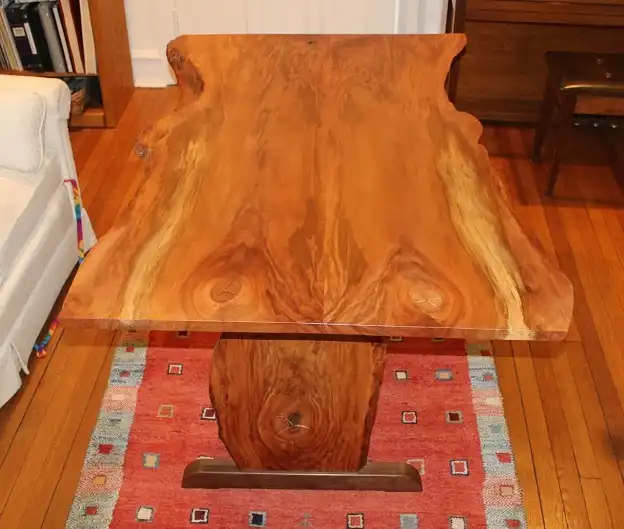
Some pieces of furniture simply sit in a room. Others seem to belong there. A dining table often falls into the second category because it takes up so much visual and physical space, and people naturally gather around it. We eat there, work there, host friends there, sort through mail, play games, and linger over conversation. After a while, the table becomes part of the rhythm of the house. Natural wood can make that connection even more apparent. Its grain is not perfectly repetitive, its color shifts from one section to another, and a natural edge carries the outline of the tree into the finished piece. When those qualities are considered alongside the architecture and furnishings of a room, a handcrafted live-edge dining table can feel less like an addition and more like it was meant for that particular setting.
What Makes a Dining Table Look Right in a Room?
A table looks right when it relates to everything around it. That is hard to achieve by following a checklist because it comes from relationships rather than individual objects. The flooring, windows, ceiling height, cabinetry, lighting, and wall finish all have different jobs, yet nothing feels out of step. A dining table has considerable influence because it is usually one of the largest pieces in the room. Its proportions affect how spacious the area feels, and its material changes the visual temperature of the space. Natural wood is particularly useful here because it adds warmth and texture without requiring everything else to match. A wood table can sit comfortably beside limestone, painted cabinetry, steel, glass, plaster, or upholstered seating. What matters is not perfect coordination but whether the materials make sense together.
Let the Wood Influence the Design
Furniture design usually starts with a drawing and ends with a material, but natural slabs can reverse that process. A broad section of grain might look best running the full length of the table, and a pronounced curve along one edge may determine how the table sits in the room. We choose the slab together with each client, and this is where professional experience matters most. The right size for your space is only one of many factors, and most people have little opportunity to evaluate the rest. You can rely on our years of experience in seeing how a slab will look and perform once it becomes a finished table, and we guide each client toward the slab best suited to the room and the way it will be used. The same is true of trimming and finish: how a slab should be trimmed and which finish suits it are decisions we make, because they determine both the appearance and the long-term performance of the piece. A table that works beautifully in a large open dining area may feel oversized in a more intimate space, even if its dimensions are technically suitable. When we select a slab, we weigh:
- Grain pattern: How the grain will run across the full length of the table.
- Figure and color: How tone and variation will read at full table scale.
- Edge shape: How the natural edge will sit within the room.
- Knots and openings: What to emphasize and what to keep understated.
- Overall proportion: How the slab’s character suits the space.
Natural Variation Gives Wood Its Personality
There is something satisfying about a wood surface whose details never repeat. The grain may tighten near one end, then open up and change direction farther across the slab. A darker section may sit beside a lighter one, and a knot or mineral streak may catch your eye only after you have lived with the table for a while. These are not distractions from the design. They are much of the reason natural wood is so appealing. Walnut, in particular, has a depth that works beautifully in dining spaces, with tones that range from warm, lighter areas to deep, rich sections and grain that provides movement without overwhelming the room. On a walnut live-edge dining table, the edge adds another layer of individuality because its shape follows the character of the original tree.
Contrast Helps the Wood Stand Out
A wood table doesn’t need to be surrounded by more wood to feel connected to the room, and often the opposite works better. A stone floor gives a warm tabletop a crisp counterpoint, metal introduces structure, upholstered chairs soften a substantial table and make it more approachable, and glass keeps a room visually light. Natural materials tend to look richer when there is something different beside them. Lighting matters, too. Morning light reveals one set of grain details, while warmer evening light makes the same surface appear deeper and more subdued, so a table can look surprisingly different throughout the day. That changing quality is one of the things we most enjoy about working with natural materials.
Small Details Matter More Than You Might Expect
A dining table can be beautifully made and still feel slightly wrong for a room if its surroundings haven’t been considered. When you shop from a photograph, the details that make the difference are easy to overlook, which is why we evaluate them carefully for every project. We assess the proportion of the tabletop against the room so that the table neither dominates nor gets lost in it. We study how the grain runs and how its movement will carry the eye through the space. We consider how the natural edge will read from different angles, how the surrounding stone, metal, glass, fabric, and painted surfaces will complement or contrast with the wood, and how daylight and interior lighting will reveal different qualities in the same piece of timber. These judgments come from experience, and they are part of what you rely on us for. Our job is to weigh them together so that the finished table looks natural in its setting.
Design for the Way the Table Will Be Used
A dining room is rarely used only for dining. You may sit down for breakfast, answer emails over lunch, help with homework in the afternoon, and gather around the same table with friends that evening. That reality should influence the design. Seating capacity matters, but so does being able to move comfortably around the table. We plan for enough room to walk around it easily, space to pull out a chair without negotiating with a wall or another piece of furniture, and a relationship between tabletop and chairs that feels right. These practical details are not separate from good design. They are part of it. When we build furniture for a real home, we want it to look considered without making everyday life feel precious or complicated.
When a Table Becomes Part of the Architecture
At Fredric Blum Design, we approach natural wood knowing that the finished table will have a relationship with its surroundings. The slab has its own character, and the room gives that character context. Before settling on the details, we consider the proportions of the space, the existing materials, the atmosphere you want, and how the table will be used. A dining table does not need to copy the style of a room to belong there. A contemporary space can accommodate organic wood beautifully, just as a traditional interior can benefit from a simpler, naturally shaped piece. The strongest results come when the furniture feels related to the space without looking as though every element came from the same collection.
Conclusion
A table that belongs in its room comes down to something fairly simple: the furniture should make sense where it lives. The wood should have room to show its character, the proportions should respect the architecture, and the surrounding materials should support rather than compete with it. Over time, the table becomes associated with the people and routines around it. That is difficult to manufacture, and perhaps that is the point. A thoughtfully made piece gains meaning through use while keeping the qualities that made it interesting in the first place. If you are looking for a dining table with natural character and a strong connection to your interior, we invite you to explore a custom design with us and discuss how the wood, proportions, and details can come together for your space.
FAQs
1. How does natural wood help a dining table feel like it belongs in a room?
Natural wood adds warmth, texture, and visual character that connect the table to the room’s architecture and furnishings.
2. Can a live-edge table work in a contemporary dining room?
Yes. Its organic edge creates an appealing contrast with clean lines, modern materials, and contemporary furniture.
3. Who selects the slab for my table?
We choose it together, guided by our experience. Size is only one of many factors, and we also evaluate grain, figure, edge shape, and color at full table scale. We work with you to understand your space and preferences, then recommend the slab we know will perform best for your room.
4. What materials pair well with a natural wood dining table?
Stone, metal, glass, upholstered seating, and painted surfaces can complement the warmth and texture of natural wood.
5. Who decides how the slab is trimmed and finished?
We do. Trimming and finish are technical decisions that depend on the character of each slab, and getting them right takes experience. We determine the trim and finish that will look best and hold up over time, so you don’t have to make those choices.